





















Sea to Screen
UNDERWATER CINEMATOGRAPHER | MARINE BIOLOGIST | STORYTELLER
Filming in Baja California Peninsula | Revillagigedo Archipelago | Mexican Caribbean
Sea to Screen
UNDERWATER CINEMATOGRAPHER
MARINE BIOLOGIST
STORYTELLER
Filming in Baja California Peninsula
Revillagigedo Archipelago
Mexican Caribbean
INTRODUCTION
I'm Erick Higuera
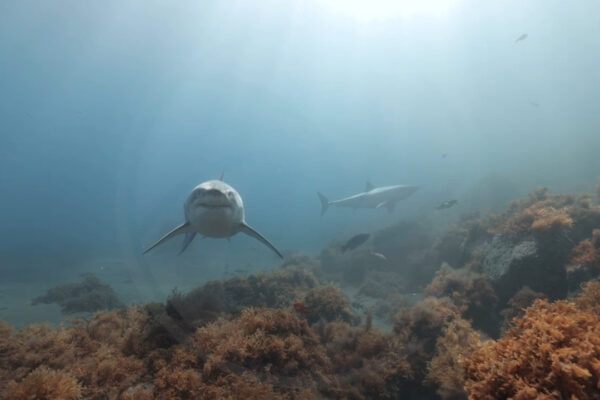
I am a Mexican marine biologist, National Geographic Explorer, and award-winning wildlife cinematographer based in Baja California Sur. For more than 25 years, I have worked at the intersection of scientific research, marine conservation, and high-end natural history filmmaking.
My work takes me across the Baja California Peninsula — from its desert landscapes to the Pacific Ocean and Gulf of California — and into some of Mexico’s most remote marine environments, including Guadalupe Island, the Revillagigedo Archipelago, and the Mexican Caribbean.
I bring together scientific expertise, deep local knowledge, rare field access, and cinematic storytelling to document wildlife with accuracy and respect. From anticipating elusive animal behavior to navigating protected areas, securing complex government permits, and planning challenging expeditions, I help international productions turn ambitious natural history stories into extraordinary sequences on screen.
Stock Footage
WORK WITH ERICK
What I Do
I work at the intersection of marine science and wildlife filmmaking. I help natural history productions plan and film complex ocean sequences, combining underwater cinematography, field research, permits, and local logistics to document marine wildlife responsibly in the waters surrounding the Baja California Peninsula, Gulf of California, Guadalupe Island, Revillagigedo Archipelago, and along Mexico’s Pacific and Caribbean coasts.
Underwater Wildlife Filming
Marine Wildlife Stock Footage
Underwater Wildlife Prints
As Seen On
SCIENCE + RESEARCH
Filming inspired by research
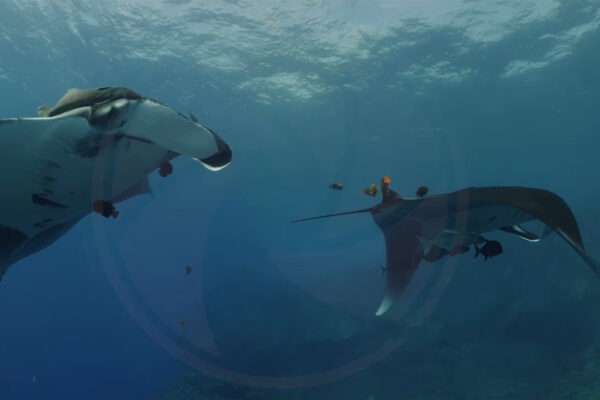
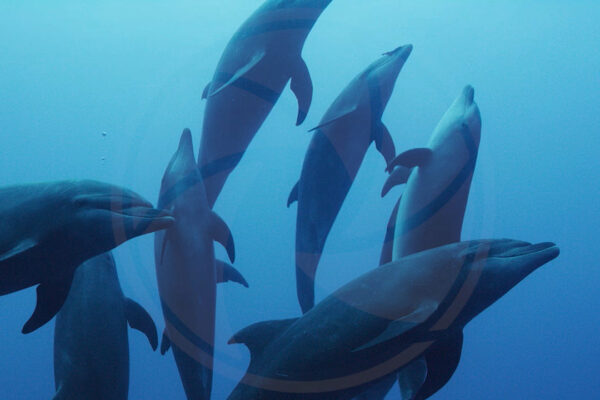
My work often overlaps with research and conservation. I collaborate with scientists and organizations studying manta rays, whale sharks, dolphins, orcas, and other marine megafauna in Mexican waters. Understanding behavior, migration, and habitat helps me approach filming responsibly and sometimes document events few people ever see.
From the blog
What I’ve Learned Filming Rare Marine Behavior
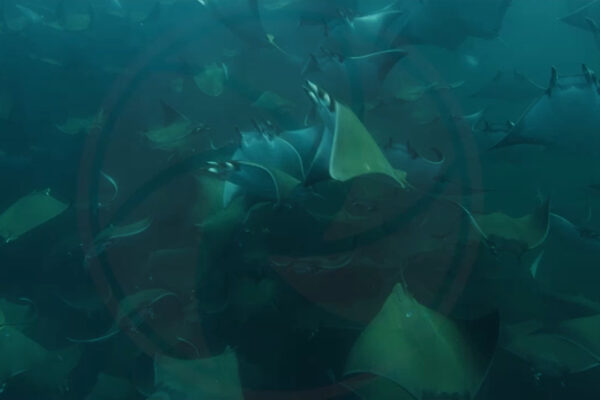
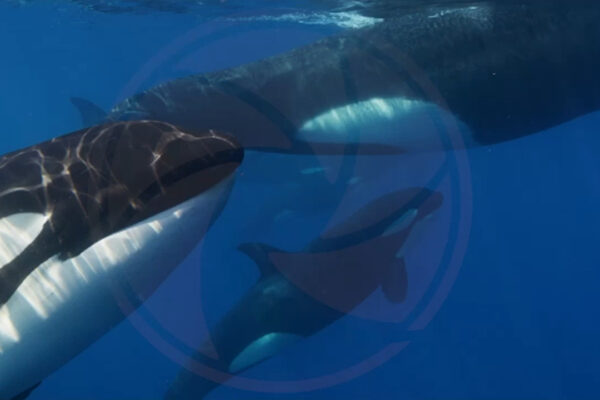
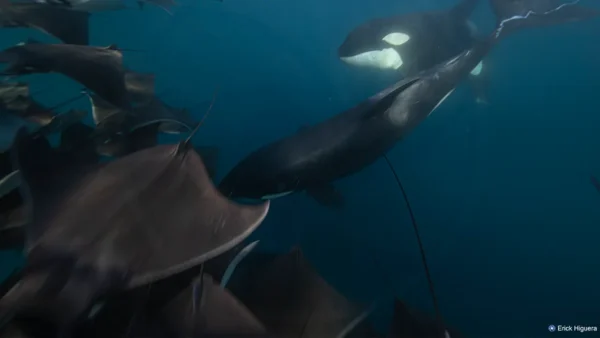
Rare marine behavior is rarely captured by chance. Years of observation in Mexico have helped me document orcas hunting whale sharks, manta rays returning to cleaning stations, mobula aggregations, and other behaviors that connect wildlife filmmaking with scientific research.
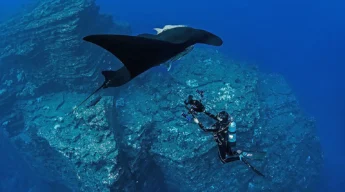
Filming Marine Wildlife in Mexico: Permits, Access, and What It Takes
Filming marine wildlife in Mexico requires more than cameras and a good crew. Permits, protected areas, seasonal conditions, animal behavior, and local coordination all shape what’s possible. Here’s what productions need to know before filming in Mexico’s marine environments.
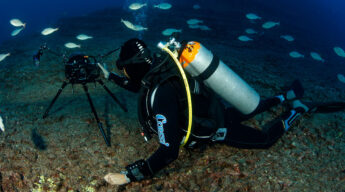
Where I Film Marine Wildlife in Mexico
From the Gulf of California to Revillagigedo and the Pacific coast of Baja, each marine wildlife filming location offers different species, conditions, and opportunities. Here’s where I work in Mexico—and why understanding each ecosystem is essential to documenting remarkable wildlife behavior.
Marine Wildlife Filmmaking Frequently Asked Questions
What does Erick Higuera do?
I work as an underwater cinematographer, marine biologist, and field production partner for natural history projects focused on marine wildlife in Mexico.
Can Erick help productions film in Mexico?
Yes. I often help international crews coordinate filming permits, marine logistics, boats, and field operations while working within Mexican regulations.
Where does Erick Higuera film most often?
Much of my work takes place in the Baja California Peninsula, the Gulf of California, Mexican Pacific, the Revillagigedo Archipelago and the Mexican Caribbean. I also travel around the world.
Is Erick Higuera’s footage available for licensing?
Yes. My marine wildlife footage is available for licensing for documentary, broadcast, education, and conservation storytelling.